Why "No" is more important than "Yes"
 Martina Luisetti ABTC-ATI, PACT-KSA, Cert. SAPT, UK Dog Training and Behaviour Charter
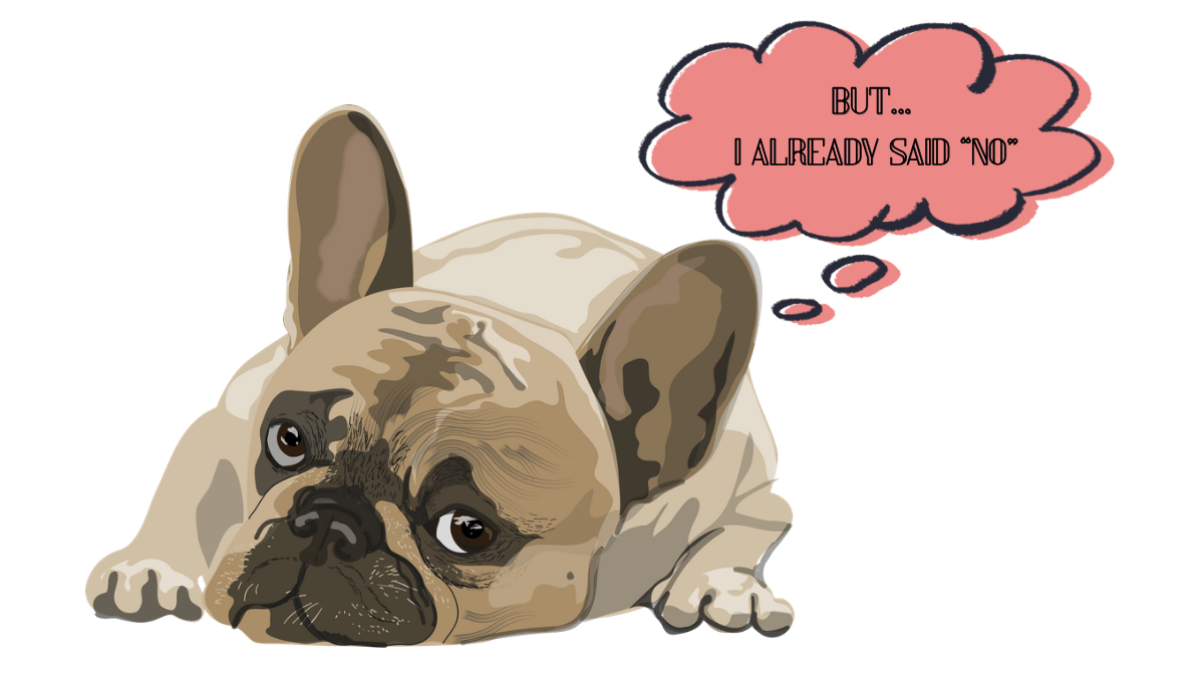
Why comparing your dog to others can hold you back—and why listening to your dog’s “no” might be the key to a more genuine “yes.”
Why "No" Is More Important Than "Yes"
Have you ever looked at another dog and thought…
Why is mine not like that?
I see it all the time.
Not because people don’t care, because they care so much. In fact, sometimes it is through caring that we can get more nervous about our dog's behaviour.
And somewhere along the way, we start comparing.
Why does that dog look so easy?
Why is mine not like that?
Why can’t my dog just do it?
But here’s the shift that changes everything:
The “no” is more important than the “yes.”
You’re Not Doing It Wrong
I want to start here, because it matters.
You’re not “too soft” and you’re not missing something obvious.
One of the most common struggles I see is not a lack of effort—but a mismatch in expectations.
A dog that isn’t distracted.
That doesn’t get overwhelmed.
That responds the same way in every environment.
Let's start from this: each dog is an individual—constantly responding to what’s around them.
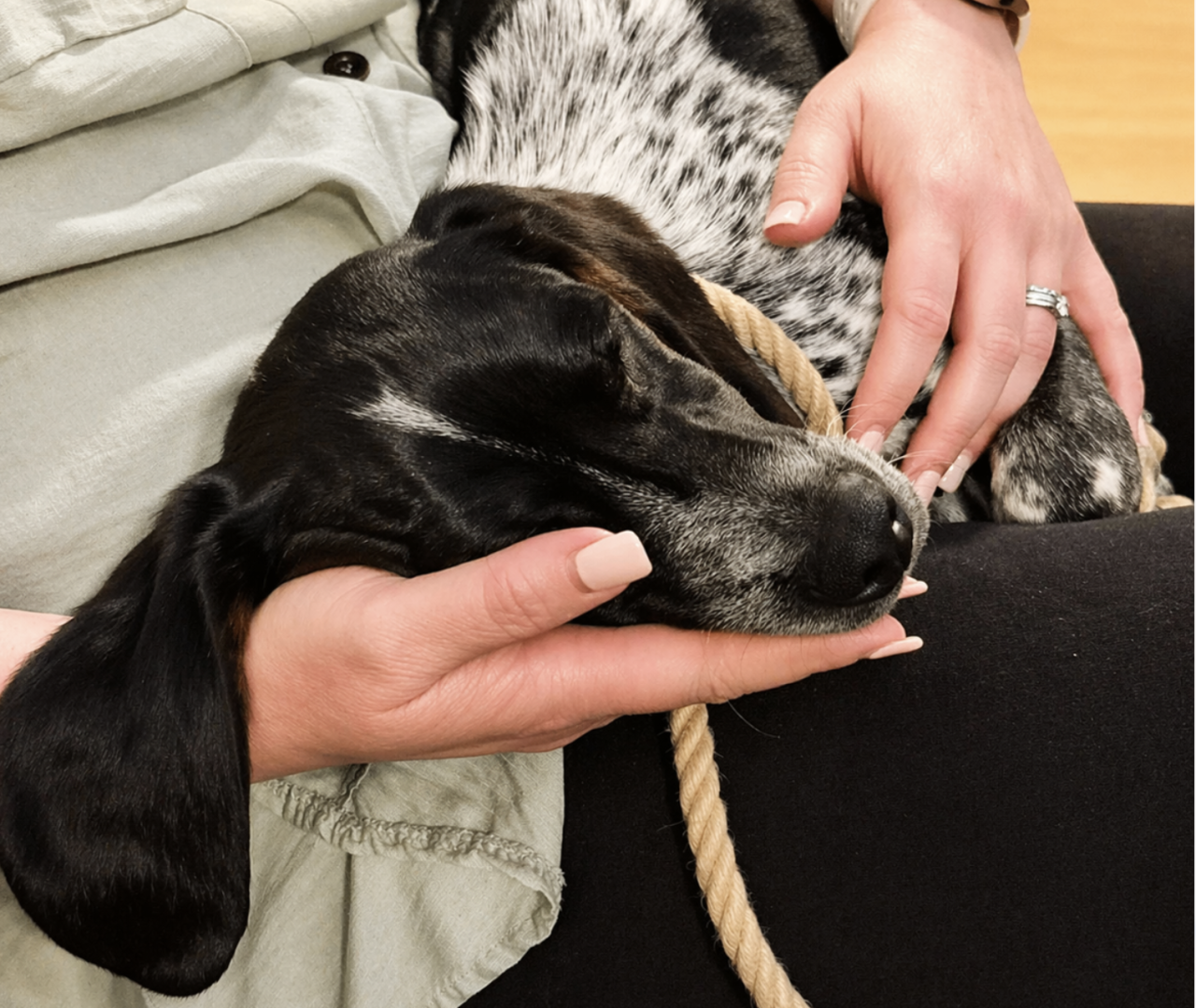
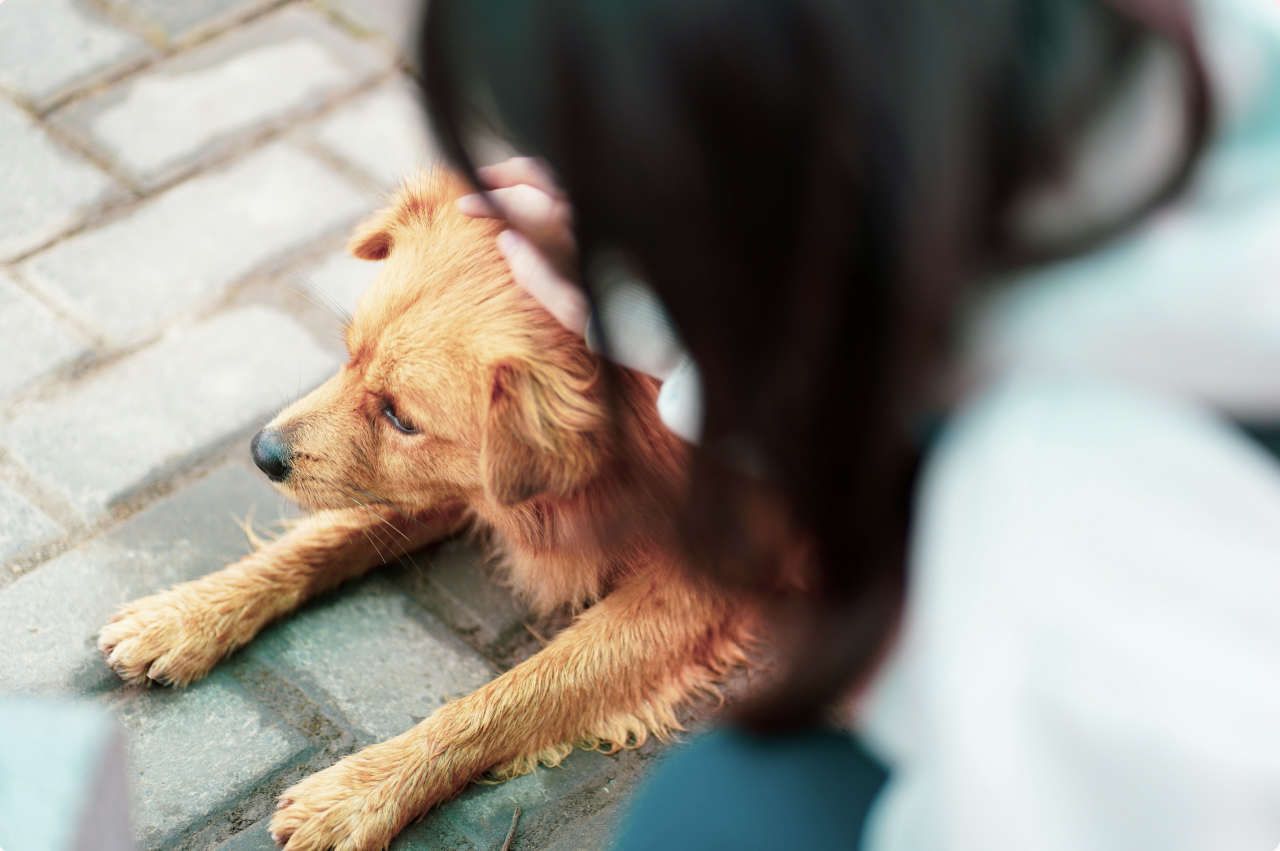
Here, Rufus is very much responding to his mum's hand holding his perfect little head in the palm of her hand.
His needs are met: he ate, relieved himself, played, sniffed around and now he is ready for a good nap.
That same hand would not cue that same stillness, had he just woken up and been away from the park for several hours.
The voices we carry with us
Our focus can shift away from our dog and onto an idea of how we think they should be. Social pressure is no joke!
“You’re giving that dog treats?”
“You need to show them who’s boss.”
“That dog is training you.”
"Bribery!!!"
I want to think that often, these things come from a place of care. People want to help. They want things to go well. Or their experience taught them that this works for them.
(However, sometimes, "pointing out mistakes" can be a reinforcer for some people, and you must definitely not listen to those!!!)
But even when they’re well meant, these voices can stay with you.
And they start to shape how you see your own dog.
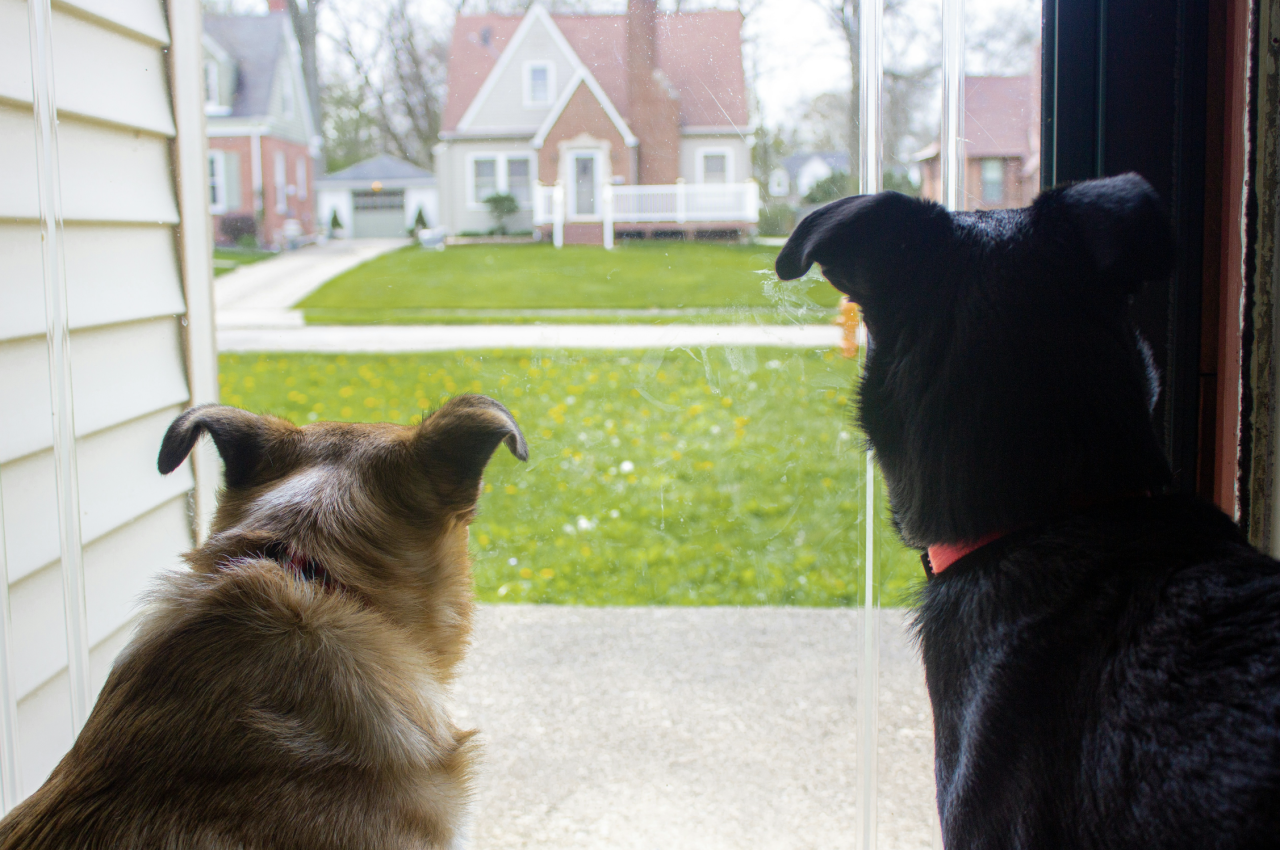
When Walks Start to Feel Like a Test
I sometimes see it out on walks.
A dog that is walking towards me on a pavement gently pulls towards me to sniff my leg.
The owner shortens the lead and says:
“I’m so sorry.”
Nothing has gone wrong—and yet the apology comes quickly.
And when the response is, “It’s okay, I love dogs,” you can often see the relief. A small exhale, followed by a smile.
As if, for a moment, the pressure lifts and they feel their dog is on safe ground with this passer-by and allowed to be herself.
Sometimes the social pressure we feel can come from family members, friends, or past experiences—each bringing their own understanding of dogs with them, like a baggage.
Often with good intentions.
But when advice doesn’t take into account the individual dog we can hit a stall in the progress. Because our focus shifts away from the real dog… and onto an idea of how we think they should be.
Let me tell you about a dog that pulled
A week ago, I worked with someone who felt exactly like this.
He had seen another dog—two, actually—recalling beautifully to heel at once.
Responsive. Controlled. Effortless.
And next to that image, his own dog felt like chaos.
Pulling. Sniffing. Ignoring him.
He felt embarrassed and really wanted to get his dog to do as he said. He was very honest with me and talked about how he wanted his dog to look like a champion of obedience.
So he asked me: "how do I get her to say 'yes' to me and do as I say??"
"How do I stop her from pulling?"
But When We Looked Closer…
I said let's listen to the "No" first.
I asked when do you feel she says "no" to you?
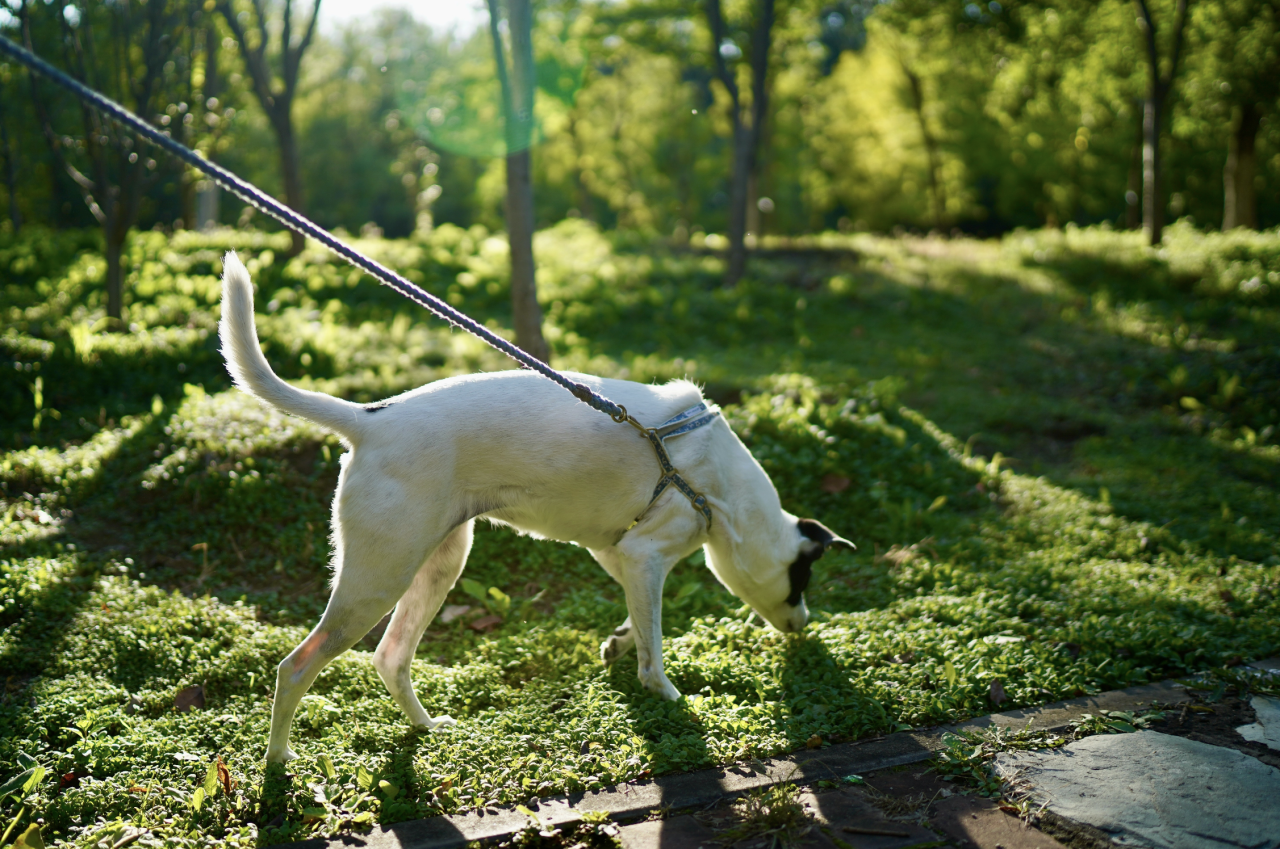
She wasn’t pulling away from him. She was pulling towards something.
A smell in their yard.
A trace of another animal the night before.
Information.
Something that mattered to her.
And when we allowed her to go there… something changed.
We reversed the sequence of doing things and magic happened!
What If We Just… Paused There
Sometimes when a dog pulls, the instinct is to stop dead on our feet, straight away.
And I understand why. It’s uncomfortable, it feels messy, and often there’s that voice in the background saying "this shouldn’t be happening" or "people are watching."
But what I often find myself saying in those moments is:
“Hang on… what is she actually trying to do here?”
Is she trying to get somewhere?
Or is she trying to get out of somewhere / away from something?
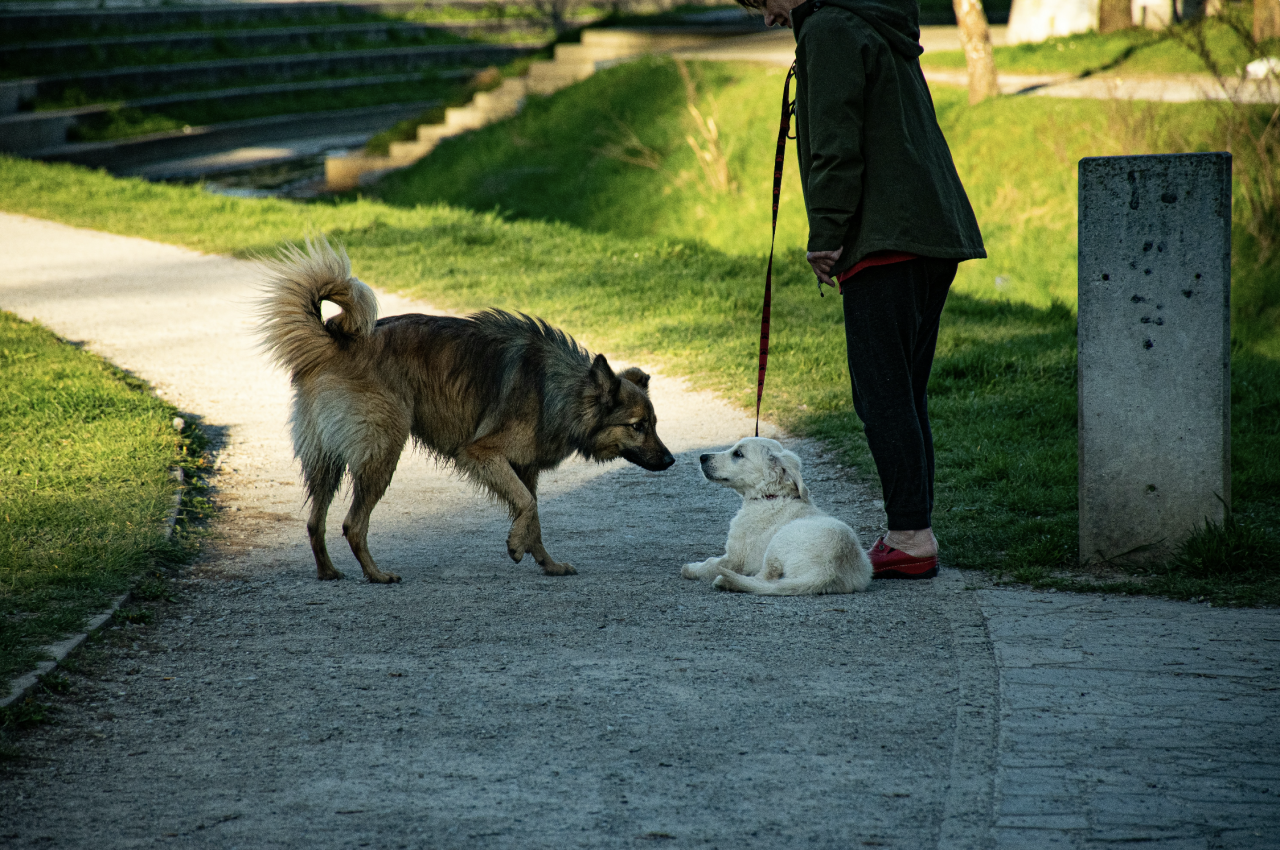
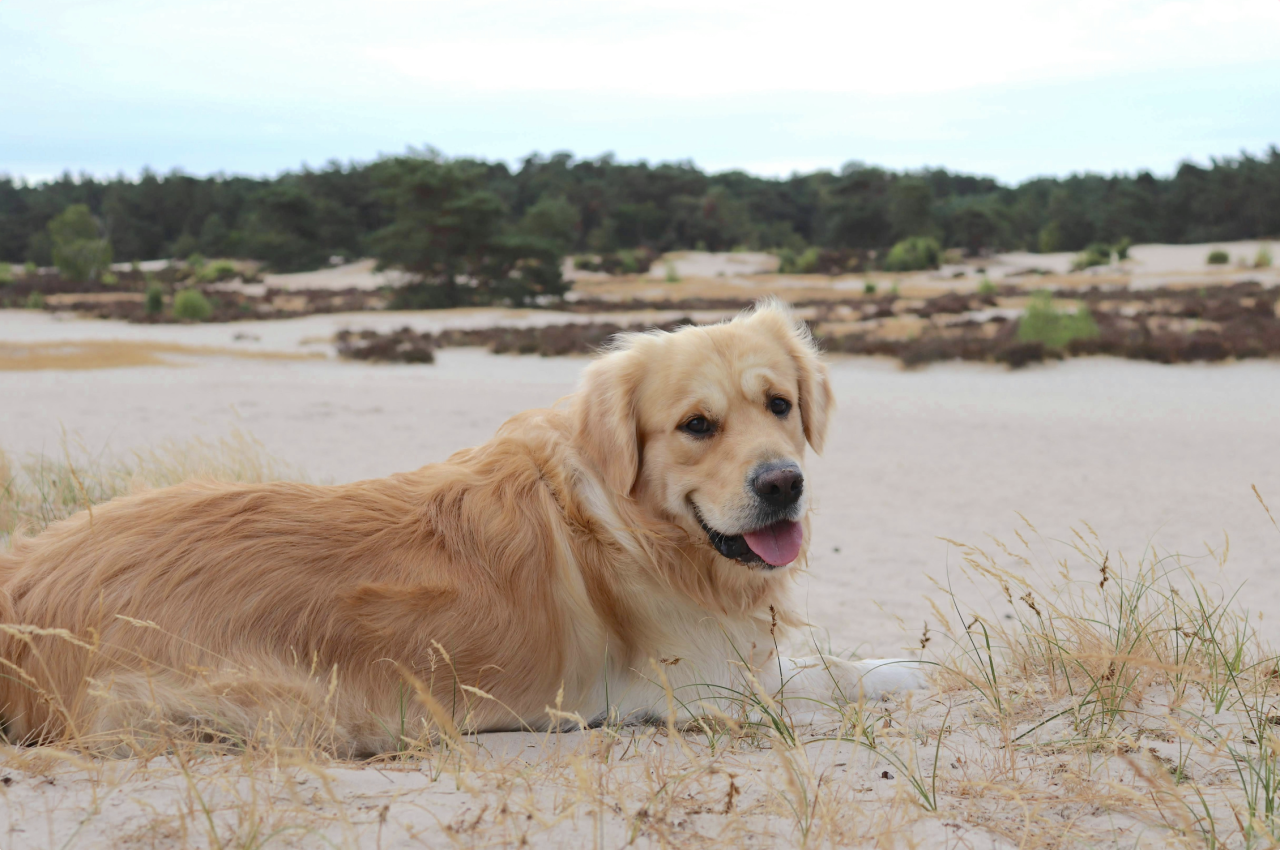
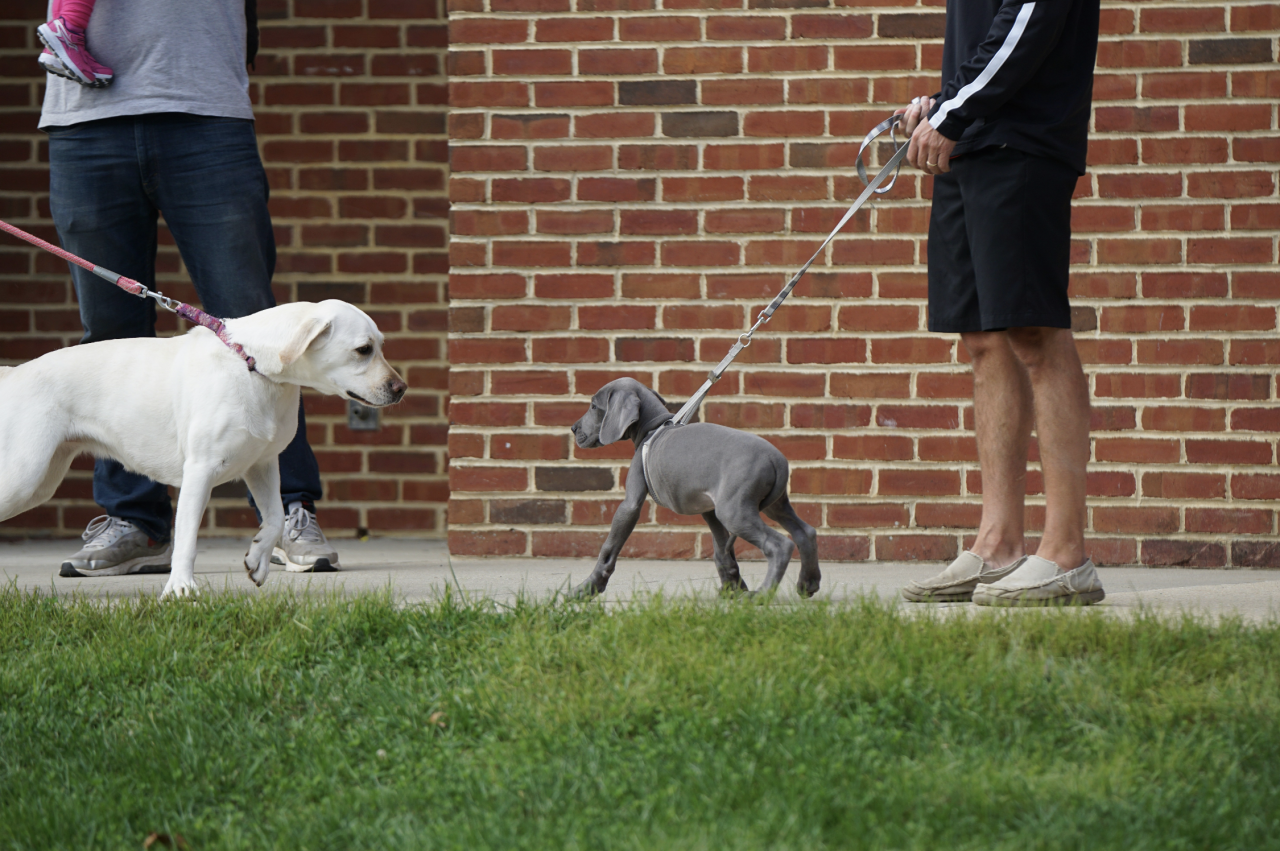
Look at the puppy on the right, in this picture. He is pulling towards the big white dog, so... is this to get closer to the white dog? What is the puppy's tail doing?
Letting Them Do Their Thing (Without It Feeling Like You’ve Lost Control)
Something I often invite owners to try—especially at the start of a walk or in a new place—is to just… give the dog a moment.
Just a moment where they can sniff, look around, take things in.
And I know this can feel like you’re “letting go” a bit too much.
But what I tend to see is the opposite.
When the dog has had a chance to process what’s around them, everything after that becomes easier.
Think about it: thousands of years of genetics calling out to that dog like a mermaid calling out to sailors and we want our verbal Recall, or Heel cue, to matter more.
While we can 100% teach these behaviours, and then generalize/proof them in any environment, we fail immediately if we don't understand how the environment cues behaviours.
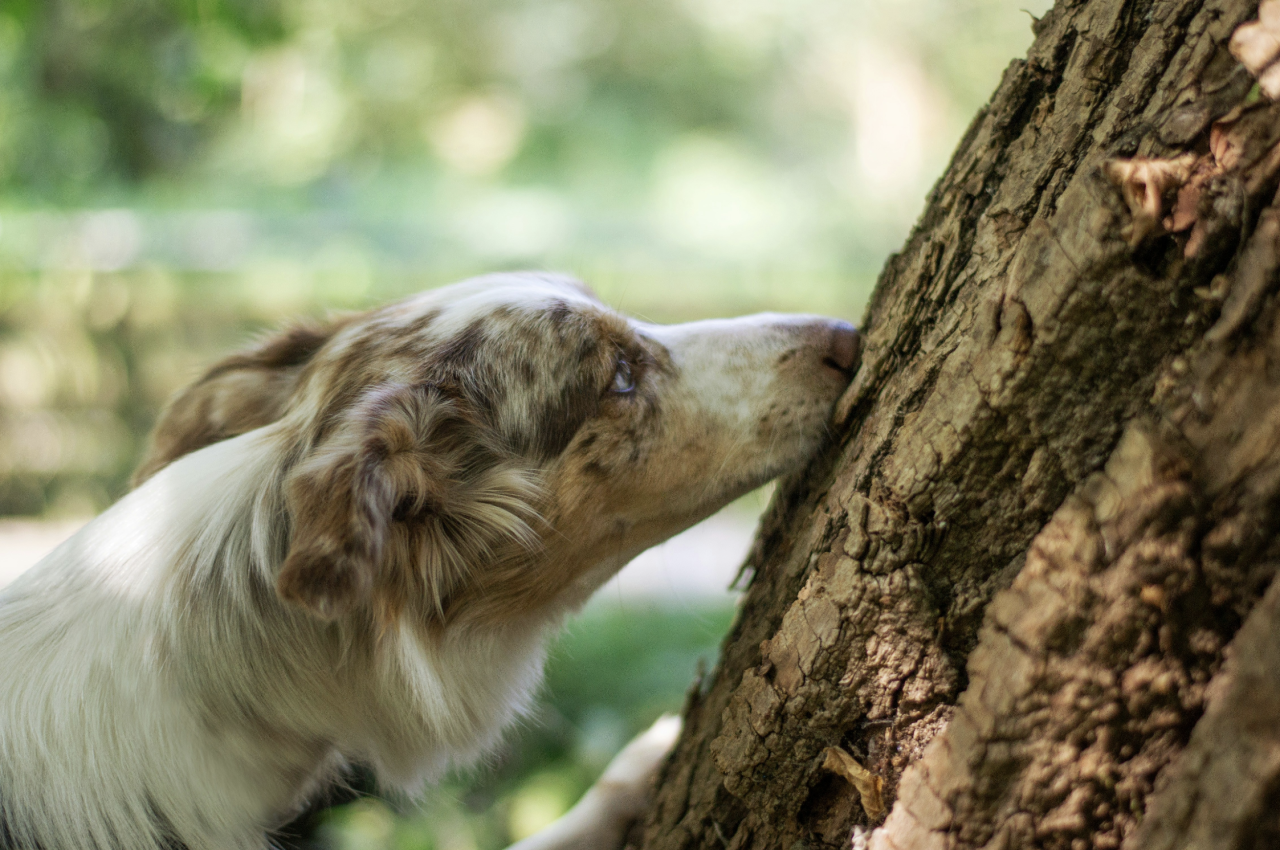
The "why" is more important than the "how"
In other words, once we know the "why," the "how" is much easier to get to.
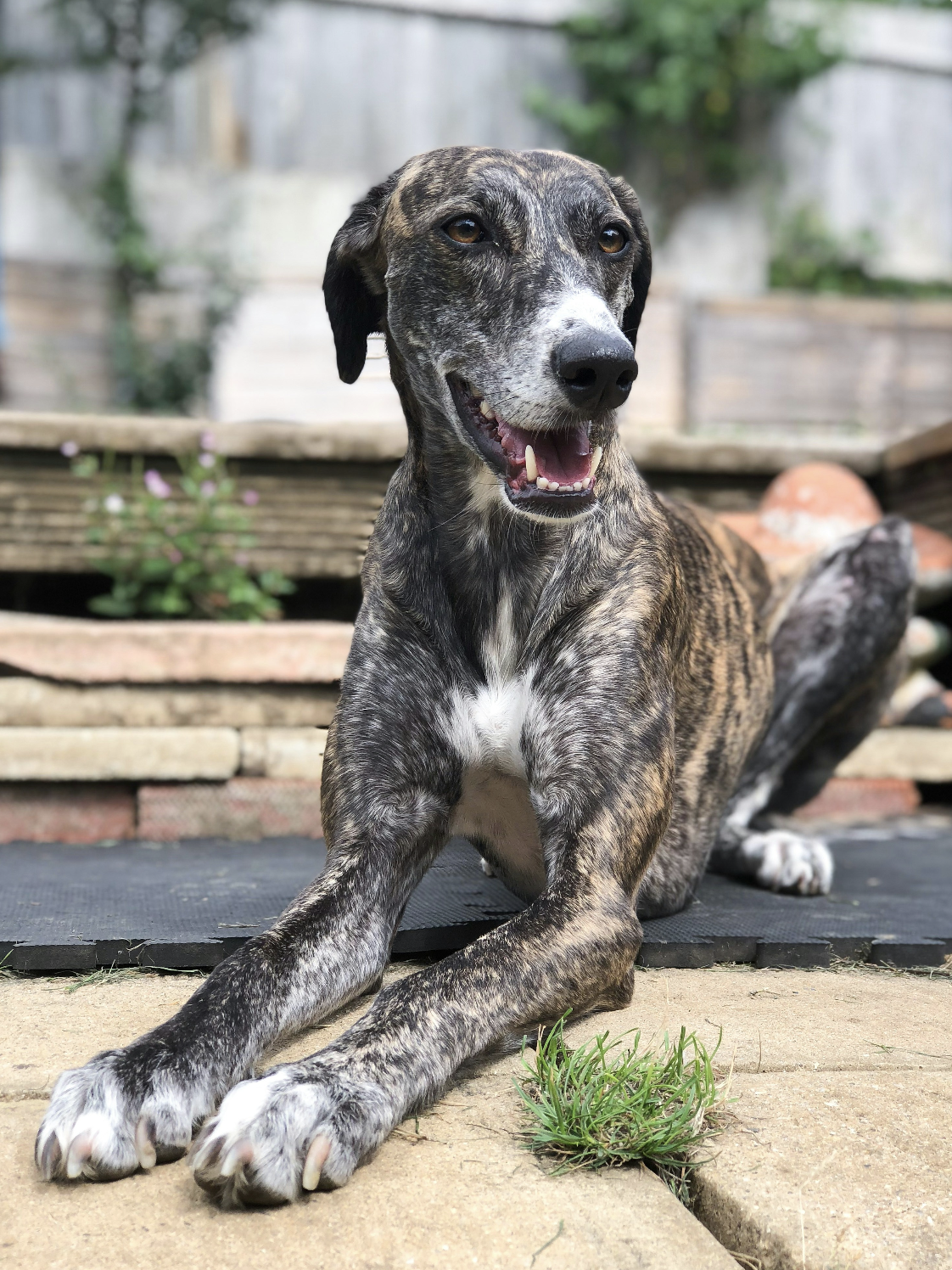
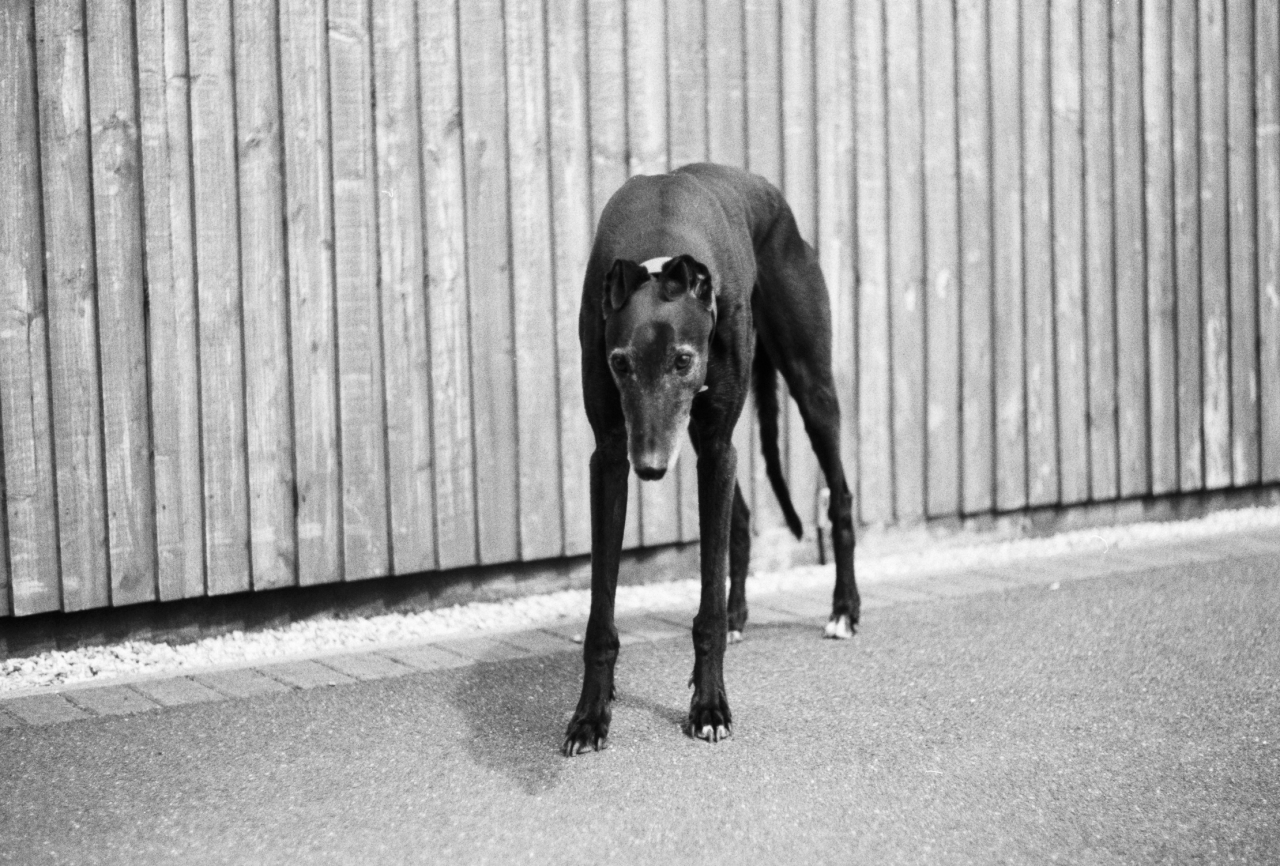
I remember this beautiful greyhound, who would pull only on a high street, in a sentinel mode (dogs can pull out of fear, also), hyper-vigilant).
He would pull and pull, and I decided to go with him, to see what was about this "pulling" that was making sense to him.
He pulled to move away from the busy street, and as soon as we hit the side roads, he was calm, sniffing everywhere, listening to the owner, the leash relaxed. So that is where we started our engagement cues training.
"When she pulls, STOP! Wait til the leash relaxes, then walk!"
I still hate red peppers, after I had to scoff my face with them just to finally get to ice cream!
Be careful of the Primack principle. It can lead to frustration or even aggression.
Besides... think of my greyhound friend.
The environment was too fast / loud / close by. If I had to assign a label to how he pulled in emotional terms, I would call it "anxiety-pulling."
He was panting, his eyes were slowly moving left to right, he'd refuse treats, and so on... Should I really just lock my feet to the ground, until he stops pulling?
When fear, stress or anxiety are present, the last thing I want to do is stay in the environment that causes them.
"Let the environment out of their system"
Conversely, this can mean the opposite, if the environment is one of happy consequences.
Sniffing the grass in Spring, splashing in a river and so on.
I really like something that the legend Ken Ramirez said:
"Let the environment out of their system" before you practice cues and training exercises. In other words, let your greyhound friend sniff a lot, roll a bit on the grass, really soothe that mental stimulation need...
Then practice your cues.
Often good training has a LOT to do with environmental awareness.
When a cue is failing, you are weakening it, not strengthening it.
That is not the right place or condition for a good training session (and neither is keeping that leash really tight, to force a heel behaviour).
In other words... be careful not to become the pied piper!
"Look at me, look at me, heel, heel" can quickly become boring or down right annoying in the context of a delicious Spring park, full of flowers, bees, other dogs and mud to roll in.
Be a pal.
Training your cues will be easier because of this.
(And stick to quiet environments while the behaviour is "new" otherwise it's like learning to drive on the M25)
If You Take One Thing From This
The environment prompts emotions,
then the emotions prompt behaviours
(and if you want to complicate things a little... the behaviour operates on the environment by producing a consequence: if this consequence was desirable to the animal, the behaviour will be strengthened or maintained.)
We must look at the environment first to:
Prompt good emotions that prompt better behavioural choices.
You don’t need to change everything overnight.
Next time you’re out, maybe just notice one thing.
What is your dog trying to do? What is he trying to access, or move away from? Or both?
And see if, just for a moment, you can follow that instead of correcting it.
That’s usually where things start to shift.
Happy training!
Martina x