What to Look for When Hiring a Dog Trainer (And the Red Flags to Avoid)
 Martina Luisetti ABTC-ATI, PACT-KSA, Cert. SAPT, UK Dog Training and Behaviour Charter
Not all dog trainers are created equal. Learn the red flags, green flags, and expert tips to help you choose the right one for your dog.
What to Look for When Hiring a Dog Trainer (And Red Flags to Avoid)
Choosing the right dog trainer can feel overwhelming. The truth is, the dog training industry is largely unregulated. In many places, anyone can call themselves a dog trainer, regardless of their education, experience, or methods.
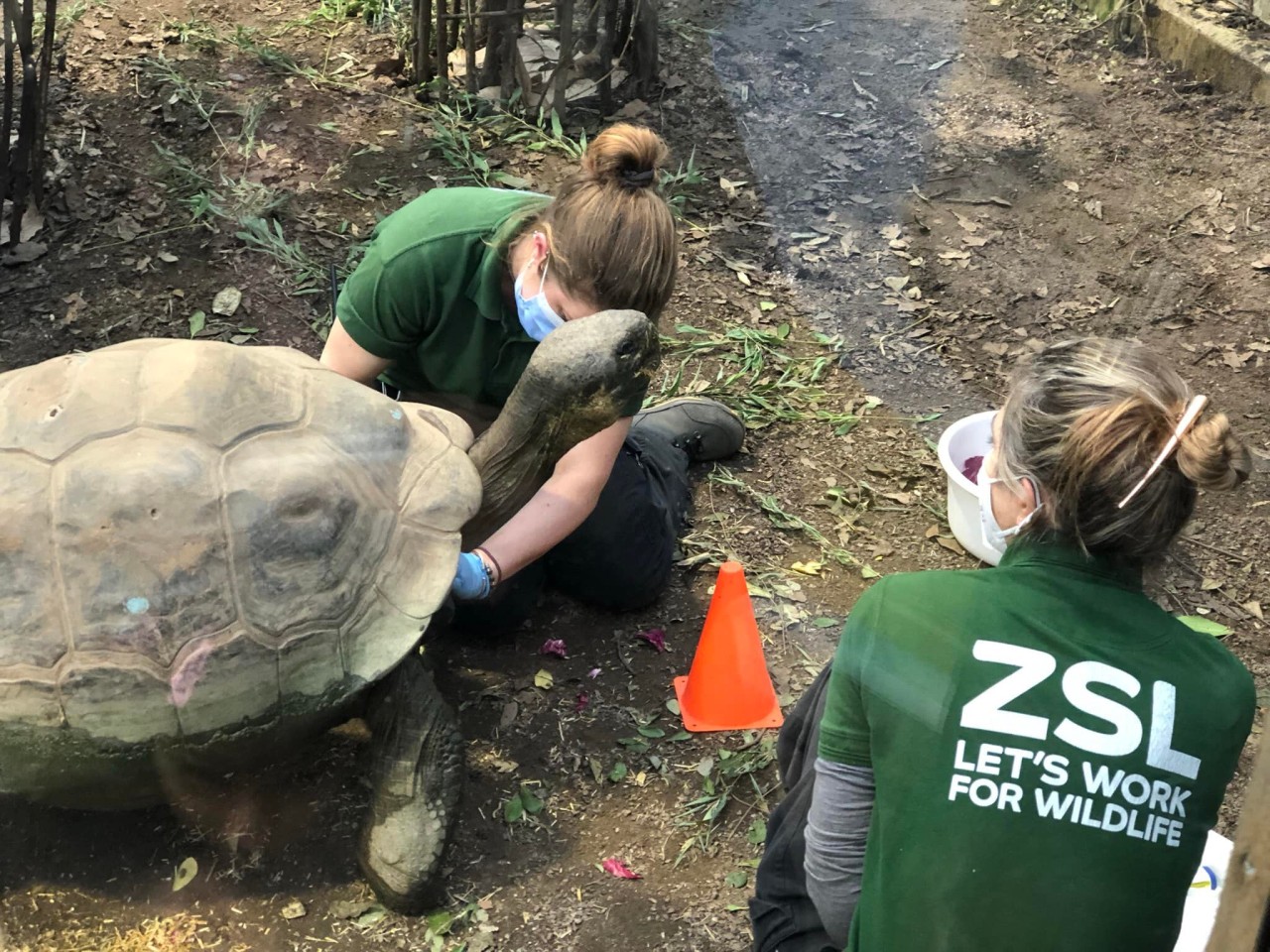
Over the years, I’ve had the privilege of observing incredibly skilled animal trainers — including professionals from the zoo training world — but I’ve also encountered practices in the dog training industry that deeply concern me.
Because of that contrast, I believe dog guardians should know what to look for when choosing a trainer — and just as importantly, what warning signs to avoid.
If you're looking for someone to help with your dog's behaviour, here are the things I personally pay attention to.
1. Look at How the Trainer Relates to the Dog
One of the first things I observe when watching a trainer work is how they relate to the animal in front of them.
Are they patient?
Are they empathetic?
Do they genuinely seem curious about what the dog is feeling?
A good trainer approaches each dog as an individual with their own emotions, experiences, and needs. They take the time to understand the dog before jumping to solutions.
Dogs are not machines that simply need to be programmed. They are sentient beings who experience the world through emotion, learning history, and environment.
A skilled trainer works with the dog, not against them.
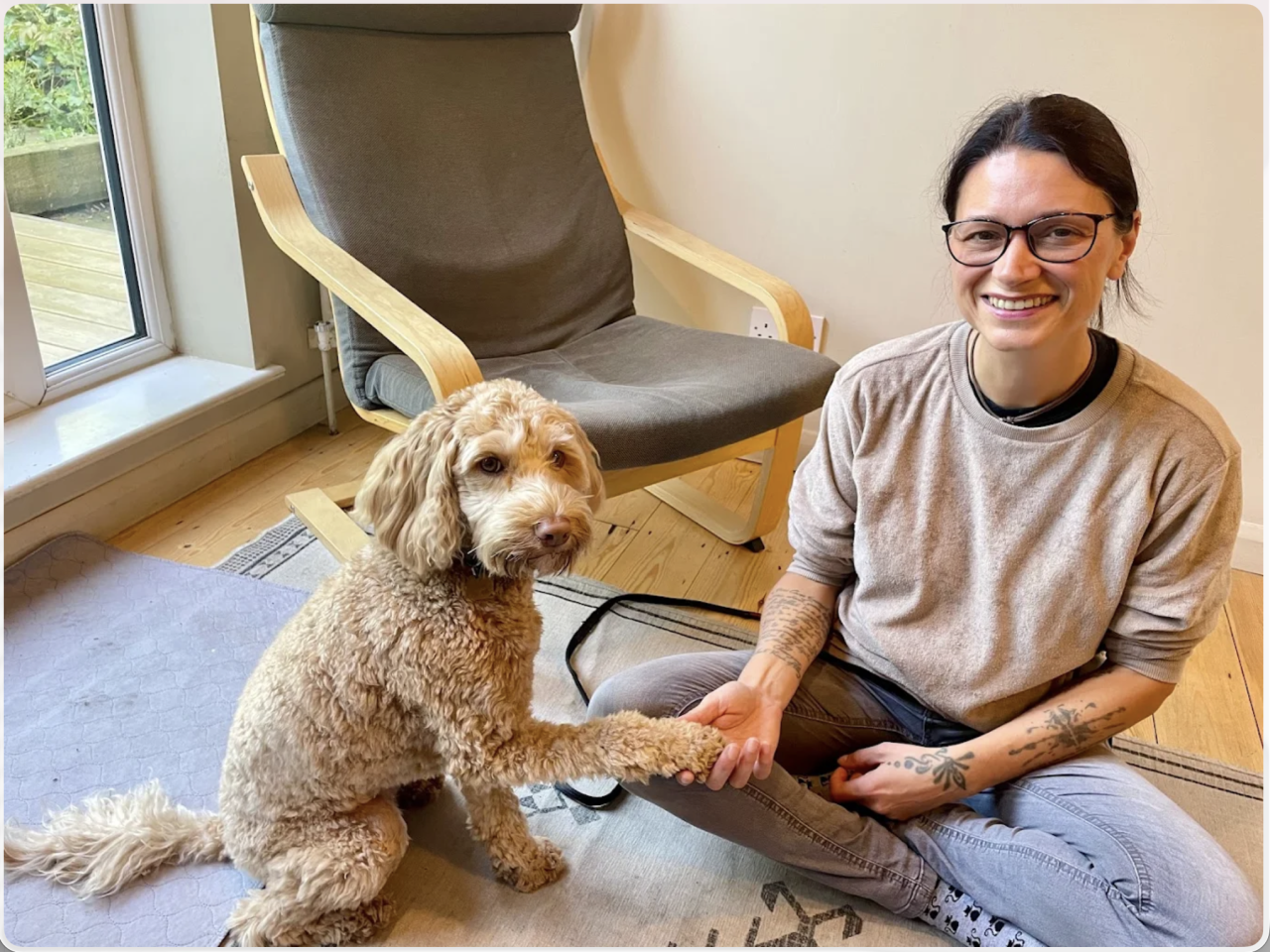
2. Avoid Trainers Who Use One-Size-Fits-All Rules
Another thing I pay close attention to is whether a trainer relies on rigid formulas.
If someone tells you there is only one correct way to train dogs, that should raise questions.
Dogs are individuals. What works beautifully for one dog may completely fail for another.
A knowledgeable trainer adapts their approach depending on:
-
the dog’s temperament
-
their history
-
their environment
-
their emotional state
-
and their physical health
This last point is particularly important. Research increasingly shows that a large percentage of behavioural issues in dogs are linked to undiagnosed pain or physical discomfort and hormons.
When training focuses only on suppressing behaviour rather than understanding its root cause, we may actually be silencing an important signal about the dog’s wellbeing.
Behaviour is communication, amongst other things!
When we ignore that communication, we risk missing what the dog is trying to tell us.
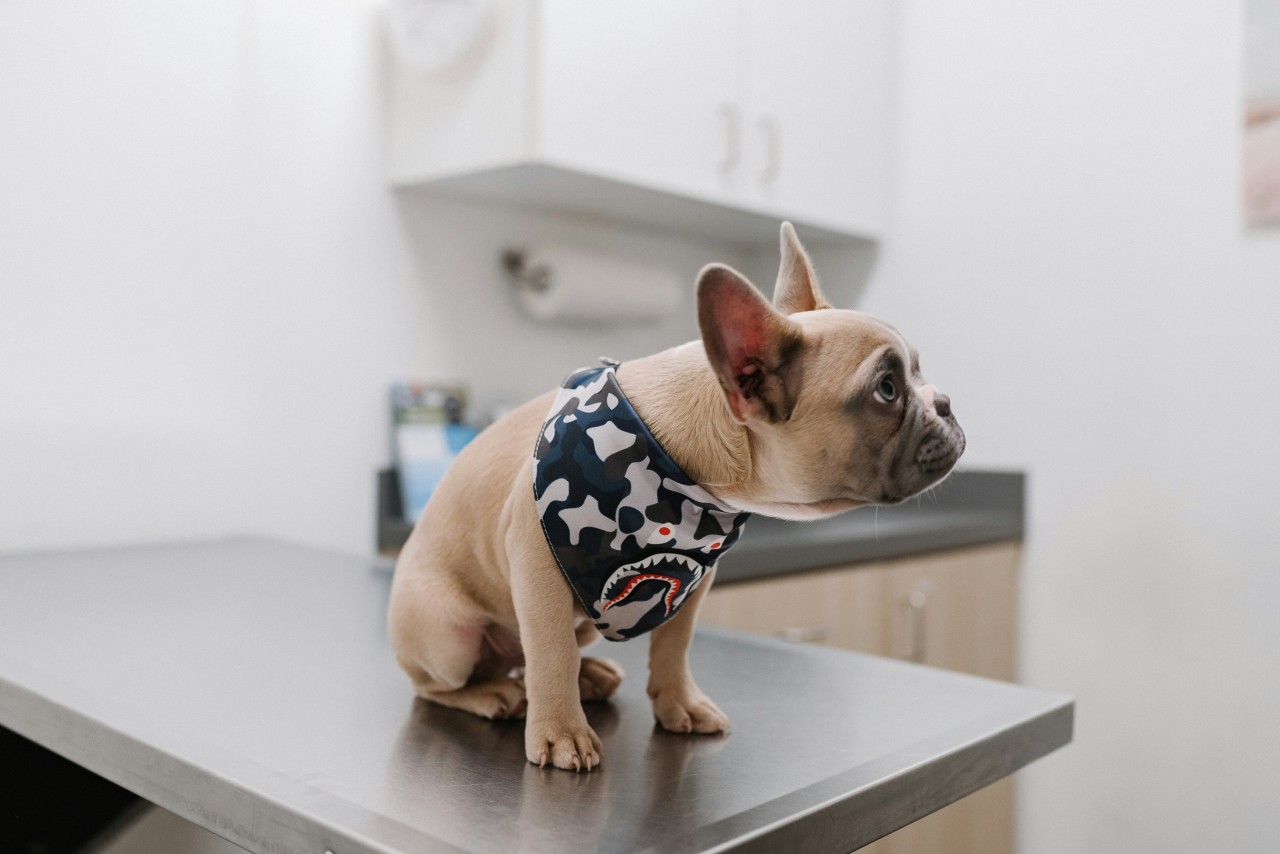
3. Major Red Flags to Watch For
There are certain phrases that immediately make me cautious when I hear them in dog training conversations.
You may have heard things like:
-
“You have to show the dog who’s boss.”
-
“Don’t let your dog dominate you.”
-
“Your dog is trying to control you.”
-
“You can’t let them walk all over you.”
-
“This is what the mother dog would do.”
These ideas come from outdated interpretations of animal behaviour and wolf pack dynamics studied in captivity, with limited resources and no ways out. We now know that wolves operate similarly to human family units and that this old, old theory has long since been challenged by modern behavioural science. But it's simply the myth that cannot die, in the hands of an ego-centred trainer.
Unfortunately, these beliefs often lead to training methods based on intimidation, punishment, or physical corrections (and let's face it... social medias don't always help on that front, with terrible accounts gaining millions of followers thanks to paid ads).
Not only can these approaches damage the dog’s trust, they can also increase fear and anxiety — which often makes behavioural issues worse rather than better.
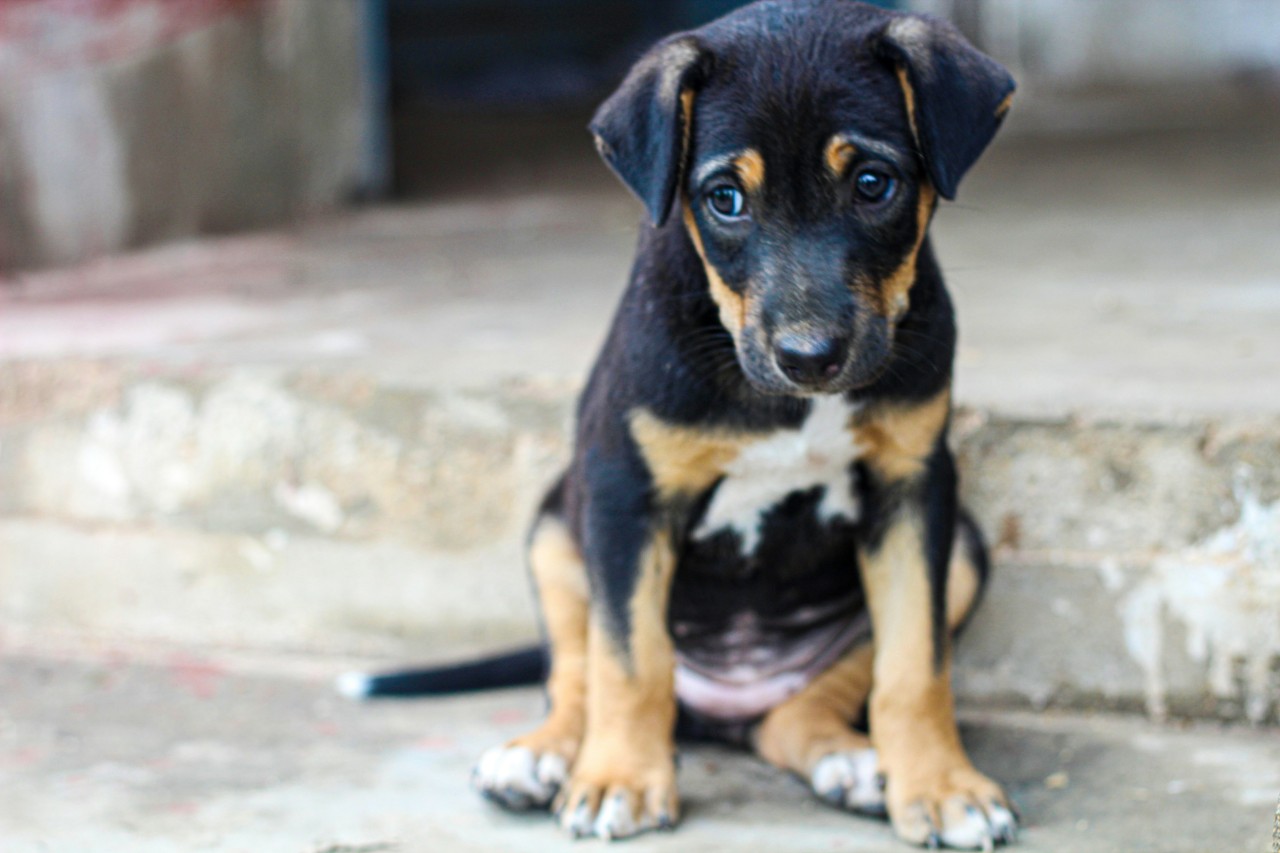
4. Dogs Need Choice and Control
One concept that matters deeply to me is choice and control.
Dogs, like humans, feel safer when they have some influence over their environment. This is literally what behaviour has evolved to do: influence our own outcomes. When dogs are constantly forced into situations without the ability to communicate discomfort or opt out, anxiety and defensive behaviours are very likely to follow.
Good training allows dogs to participate in the process. A good trainer must know behaviour science deeply and must be committed to studying new papers, keeping up to date with scientific journals and yearly conferences and always, always be on the lookout for deeper knowledge. Critical thinking is... well, a critical piece of the puzzle!
Good training creates an environment where dogs can:
-
learn at their own pace
-
make better behavioural choices
-
build confidence
-
feel safe
When dogs feel safe, learning happens much more easily.

5. What the Zoo Training World Can Teach Us
Interestingly, some of the most inspiring examples of humane and effective training come from zoo trainers.
Zoo professionals routinely work with animals that are far larger, stronger, and potentially more dangerous than dogs — lions, elephants, bears, and primates.
Many of these animals also have histories of trauma or stress and could potentially tap into aggressive behaviours designed to increase distance, if they felt there was danger to their safety, for example.
And yet zoo trainers rely heavily on positive reinforcement, cooperative care, and voluntary participation from the animals.
They don’t need domination, intimidation, or punishment to work safely with animals that could easily overpower them.
Instead, they focus on building trust, communication, and predictable learning environments where the animal can easily and freely opt in or opt out.
That alone should make us pause and reflect on the methods sometimes used in the dog training world and the excuses that we hear sometimes, for example: "a big breed needs a heavy hand."
Tell that to a lion!
6. Look for a Dog-Centred Approach
One of the biggest issues I see in the dog training industry is that some approaches are human-centred rather than dog-centred.
The focus becomes about control, obedience, or the trainer’s authority being challenged rather than the dog’s emotional experience.
But dogs are still animals with species-specific needs and behaviours, and their own, individual learning history.
They cannot simply take our word that something is safe.
They need to feel safe, and that safety must make sense to them emotionally.
"Safety" is basically "trust" and it is found in repeated, trust-building occurrences where our animals learn over and over again that we listen to them, that we have their back and we never want to harm them. This is what the training world often calls "trust account": putting as many "trust coins" into the account as often and as regularly as we possibly can, so that when "trust withdrawals" are necessary (i.e. veterinary inspections) the trust is rebuilt quicker.
We also teach them how to be less stressed when at the vets by practicing good cooperative care so they can be less stressed at the vets and their recovery times be shorter.
Good training respects that reality.
The Bottom Line: How to Choose a Good Dog Trainer
When looking for a trainer, try to find someone who:
✔ demonstrates patience and empathy
✔ uses science-based, positive reinforcement methods
✔ adapts their approach to the individual dog
✔ is curious about the causes of behaviour
✔ prioritises the dog’s wellbeing over ego or rigid ideology
A great trainer doesn’t just change behaviour.
They help build trust, understanding, and communication between humans and dogs.
And ultimately, that relationship is what real training is about.
If You're Looking for Support
If you're struggling with your dog's behaviour, remember that you and your dog deserve guidance that prioritises compassion, understanding, and science-based methods.
If you see physical corrections happening, run a mile.
The more skilled the trainer, the less the need to "correct" the animal with his/her hands.
The right trainer won't just help your dog behave differently.
They'll help both of you feel more confident and connected.
Here is to a beautiful friendship!
Thank you for reading,
Martina and Uli
CREDITS:
Photo n.1 by Eli and Neriya for ULI Dog Training
Photo n.2 by Karsten Winegeart on Unsplash
Photo n.3 by Design Wala on Unsplash
Photo n.4 by Max Bvp on Unsplash (cut photo)
Photo n.5 by Martina @ ULI Dog Training
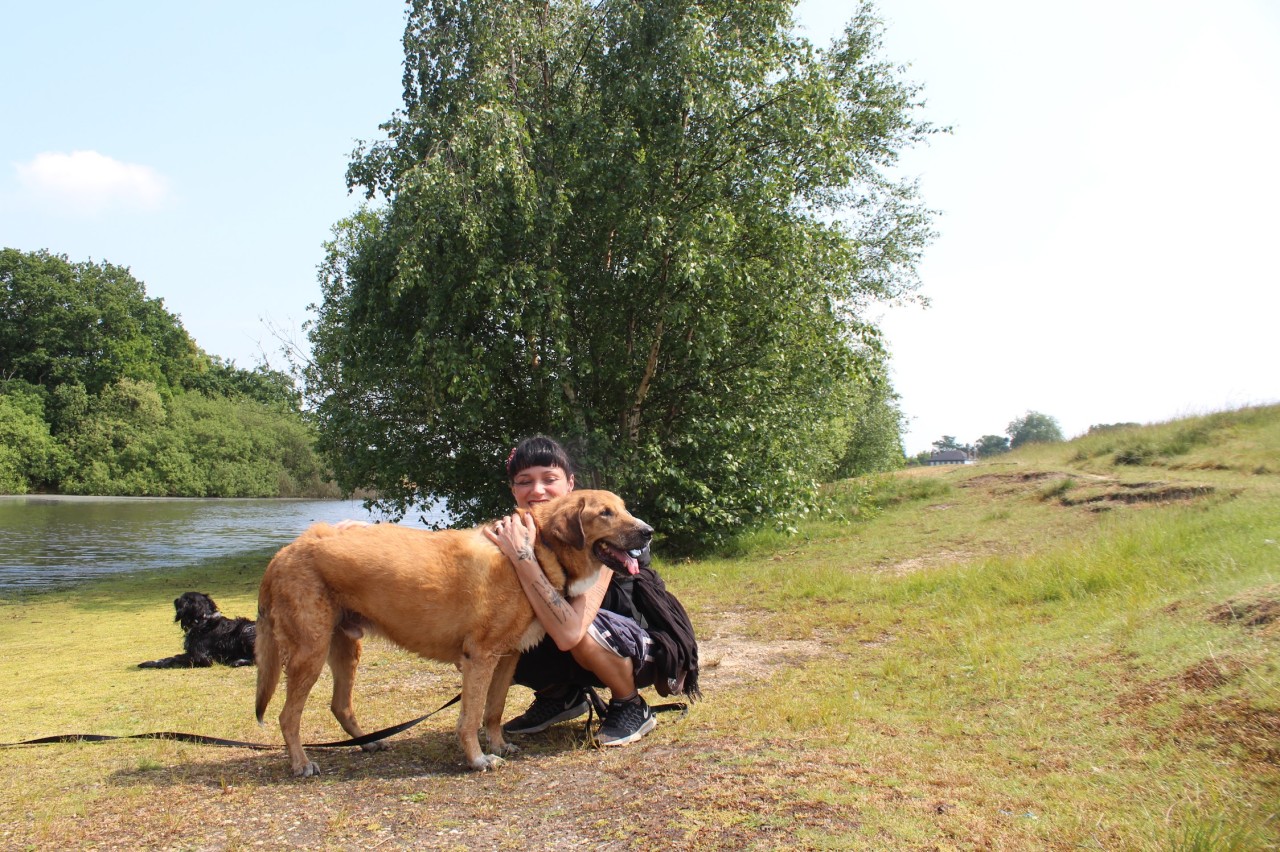
Photo n.6 Martina with her beloved ULi
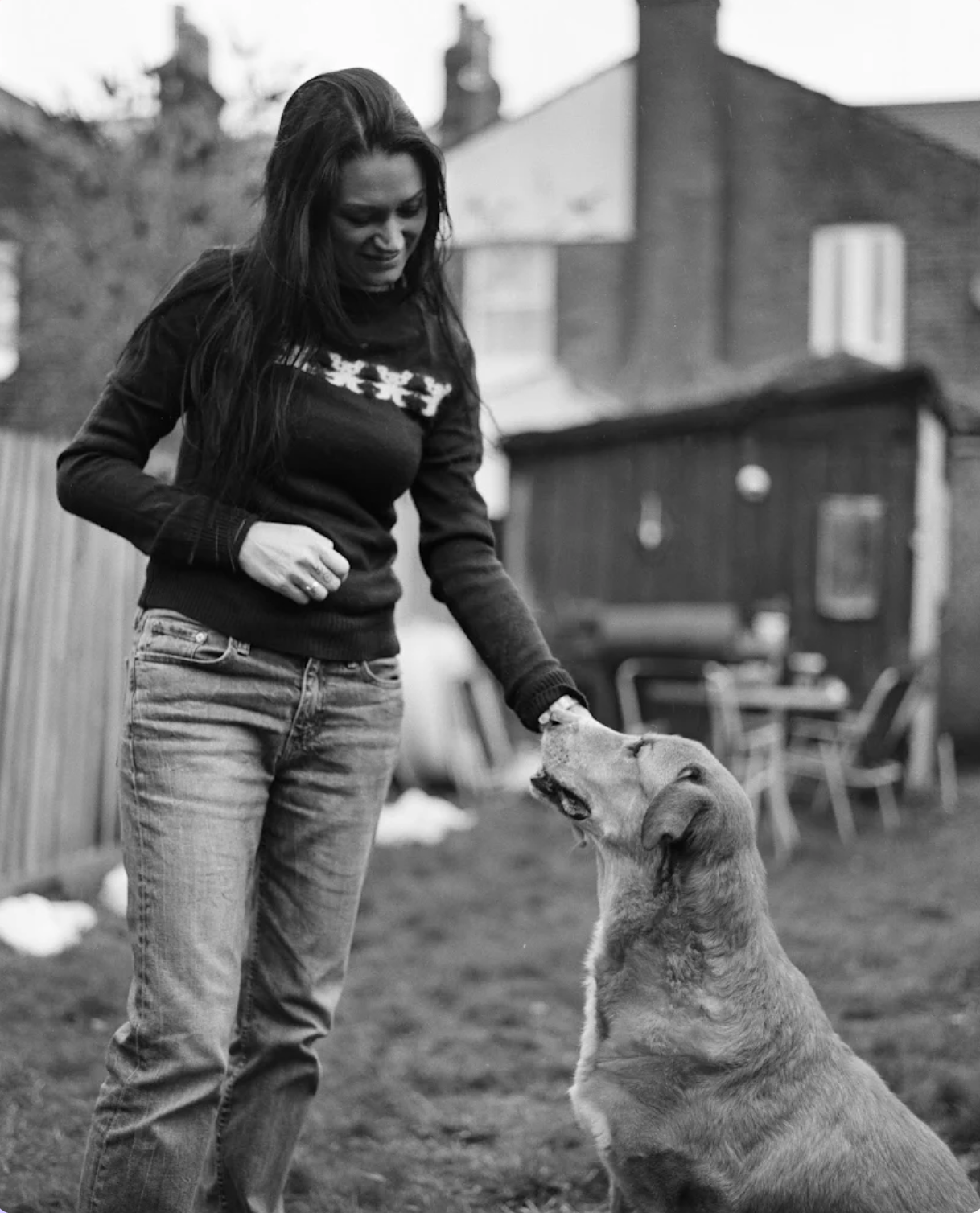
Photo n.7 Martina with Uli in their old home in St. Albans - Photo by music director Chris Turner