Understanding Resource Guarding In Dogs: What Every Owner Should Know
 Martina Luisetti ABTC-ATI, PACT-KSA, Cert. SAPT, UK Dog Training and Behaviour Charter
Early warning signs, management, modification and prevention - or things that go through my mind during a consult about Resource Guarding
Understanding Resource Guarding in Dogs: What Every Owner Should Know
Resource guarding is one of the most misunderstood behaviours in our canine companions. If your dog has ever stiffened over a chew, given you a hard stare when you approached their bed, or growled when someone came near their favourite person—you may have witnessed resource guarding in action.
The good news? This behaviour is entirely natural. The even better news? With the right approach, it can be managed and improved.
What Exactly Is a "Resource"?
When we talk about resource guarding, most people picture a dog hovering over a food bowl. But a resource is anything your dog perceives as having value—and that list can be surprisingly broad:
- Objects — toys, chews, stolen socks, food
- Spaces — beds, crates, favourite spots on the sofa, an empty hole dug in the garden!
- People — yes, dogs can guard their humans
- Other animals — including other dogs in the household
What makes this tricky is that value is subjective and can change. A new toy might be fiercely protected on day one and completely ignored by day three. Understanding what your dog considers valuable—and when—is the first step toward addressing the behaviour.
The Ripple Effect: A Helpful Way to Visualise Guarding
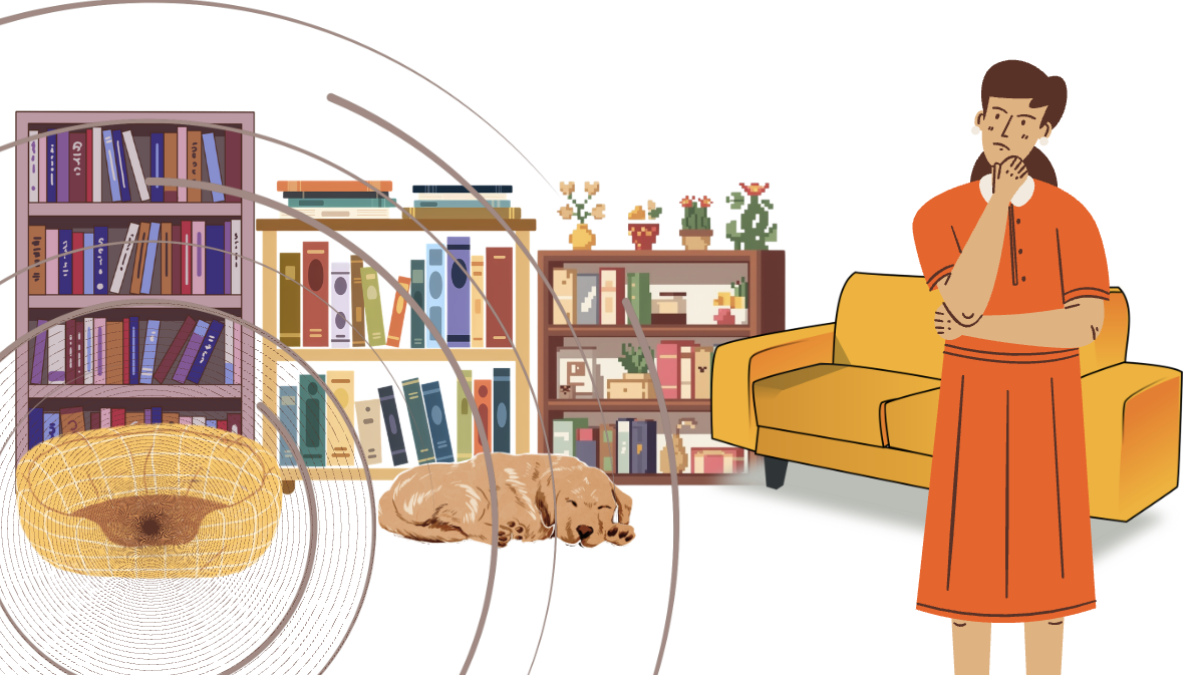
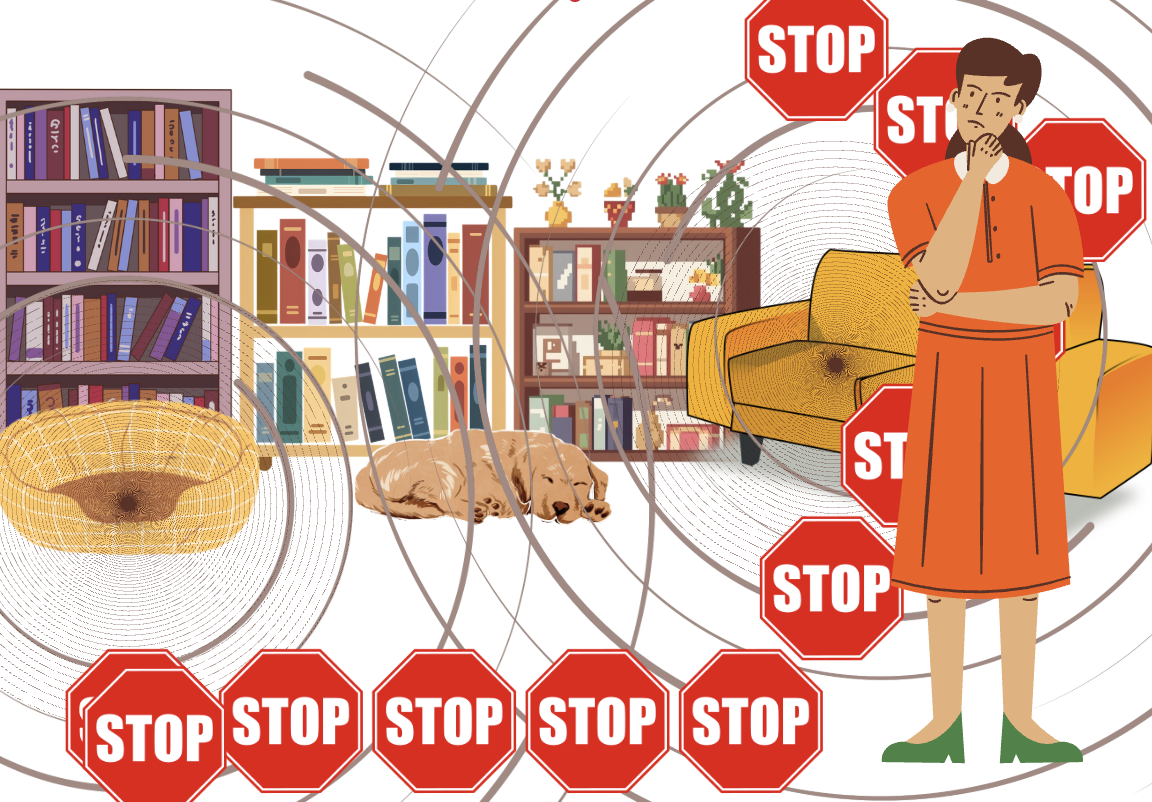
Think of the guarded resource as sitting at the centre of a pond. The closer anyone gets to that centre, the more intense the emotional ripples become for your dog.
For example, this image I made on Canva (thanks Canva!) shows a dog sleeping between his bed and the sofa. If the dog typically shows guarding related behaviours in the presence of his bed, but not the sofa, It will be easier to move around the sofa area than the dog-bed area.
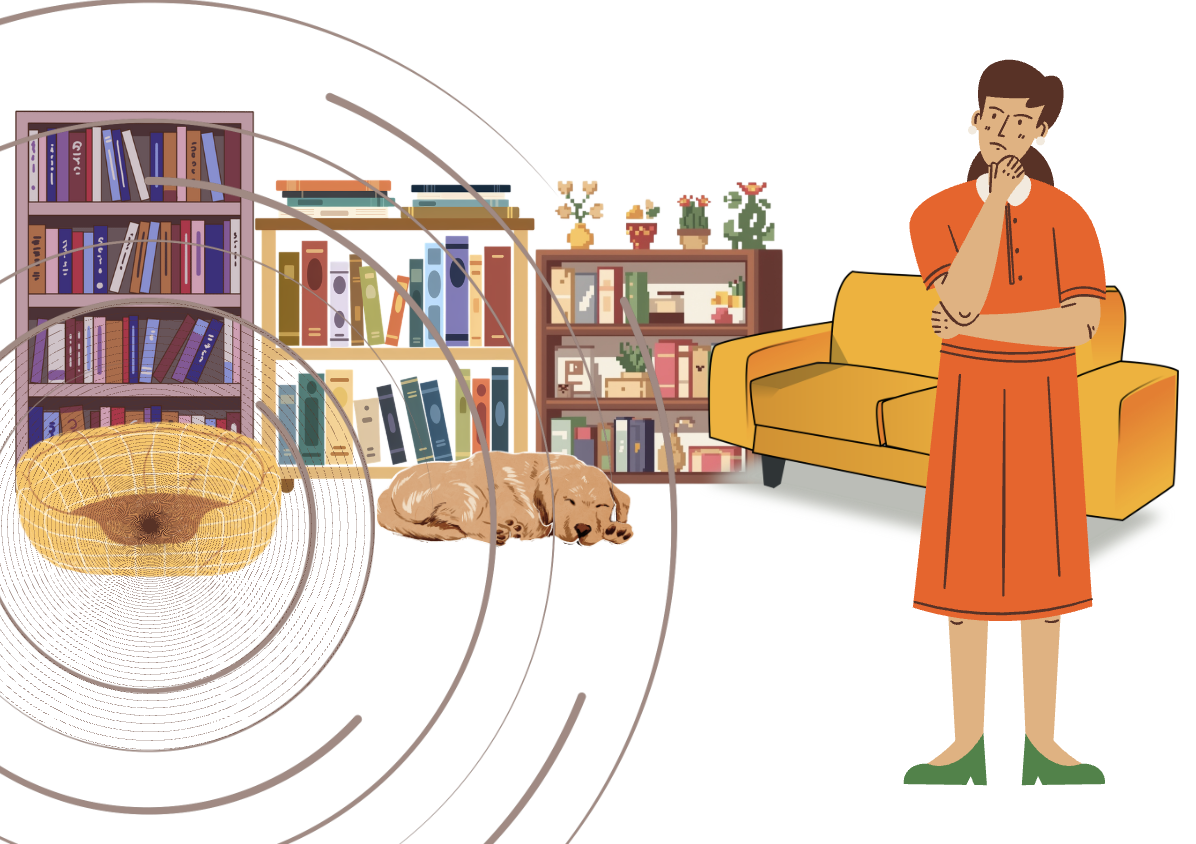
Here's where it gets interesting: resources can stack. If your dog guards both you and their bed, and a visitor approaches you while you're sitting on that bed, the response may be significantly stronger than if the same interaction happened across the room.
This is why context matters so much. A dog who seems perfectly relaxed in one situation can appear completely different when multiple valued resources overlap. In the example below, if the dog guards both bed and sofa, the emotions of the dog may be heightened compared to the previous situation, and picking up a book from the bookshelf behind the dog can constitute a big triggering event for the dog.
Reading the Early Warning Signs
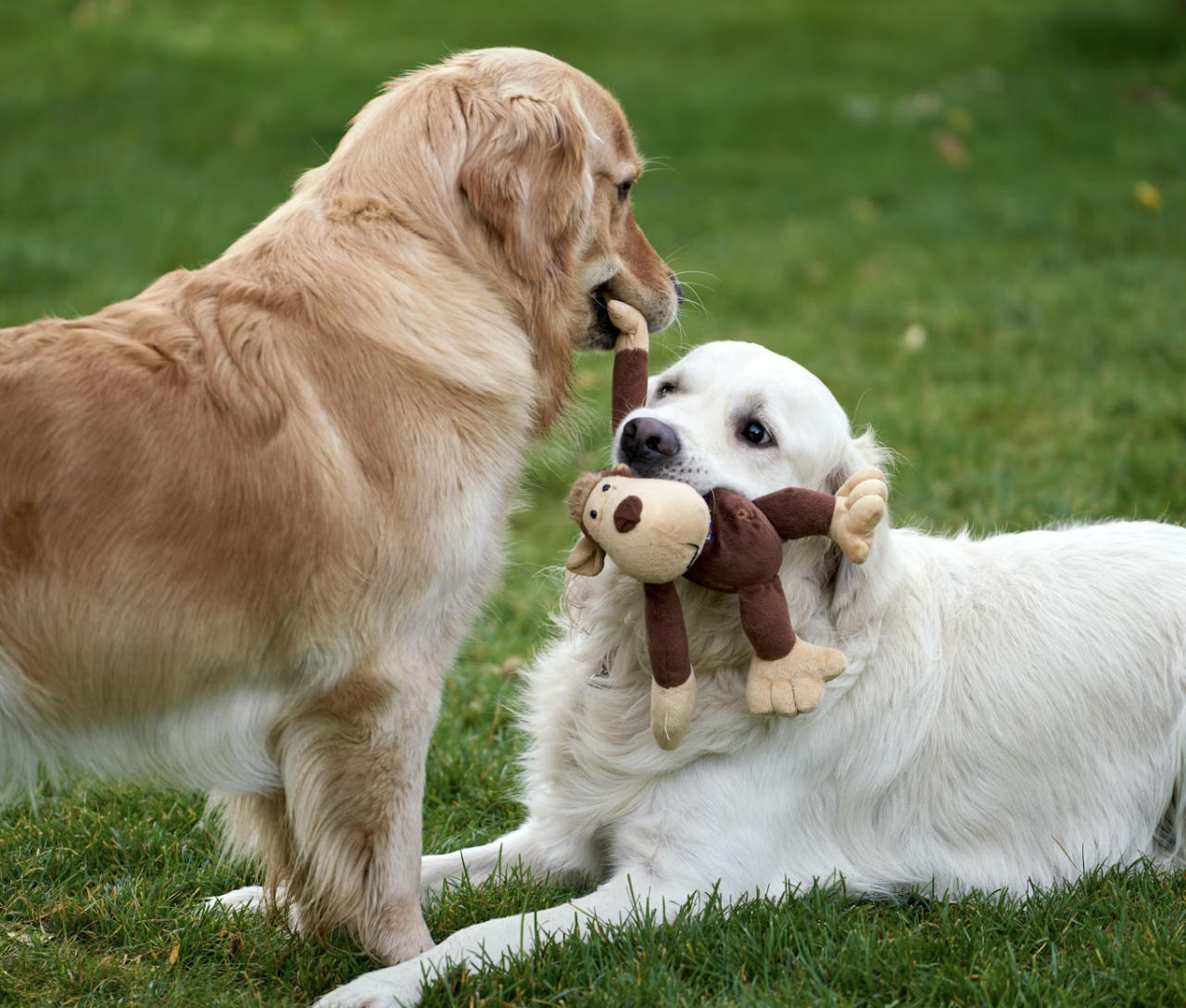
Dogs rarely escalate without warning—we just often miss the early signals. This is why it's very important to not rely on "quick fixes" like correction based training: they can mask the warning signs that the dog is stressed. Learning to read these subtle cues can help you intervene before things intensify—and, most importantly, listening to them:
Early signs:
- Sudden stillness or a "freeze"
- Pausing or speeding up of breathing
- A fixed, hard gaze toward the resource
- Slight tension in the body
Escalation signals:
- Showing the whites of the eyes (sometimes called "whale eye")
- Lip lifting or curling
- Growling or snarling
- Rising from a resting position
- Moving toward the perceived threat
- Shifting the front of the body towards the perceived threat
- Shifting the body between the resource and the perceived threat
A crucial point: past behaviour is the best predictor of future behaviour. If your dog has never escalated to snapping or biting, that's genuinely positive information. It means you have room to work thoughtfully before things progress further.
Why Punishment Doesn't Work (and Often Backfires)
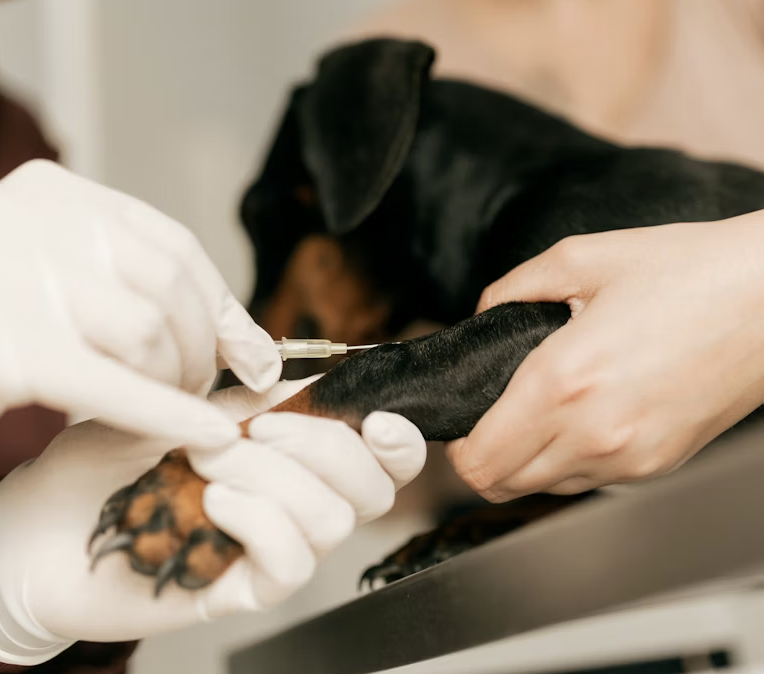
It's tempting to correct a growl or tell a dog off for guarding. But consider what happens when we do:
The dog learns that warning leads to bad things—so they may skip the warning next time and go straight to a bite. We've essentially removed the smoke alarm without addressing the fire.
Resource guarding is rooted in emotional discomfort, not disobedience. The goal isn't to suppress the behaviour—it's to change how your dog feels about the situation.
Some Interesting Patterns Worth Noting
Through working with many dogs, a few patterns consistently emerge:
-
Elevation matters. Items on raised surfaces (tables, counters) can often be guarded less intensely than items at ground level. When we hunch over something at the same height as our dog, it can feel confrontational to them.
-
Novelty increases value. A brand-new chew can be guarded more fiercely than an old favourite. This isn't greed—it's simply how dogs process new, high-value items. The intensity typically fades with familiarity.
-
Environmental triggers can shift. Some dogs guard more in low light, in unfamiliar spaces, or during particular times of day. Keeping notes on when guarding occurs can reveal useful patterns.
Pain matters: for example, if the dog's back legs hurt, and holding the toy so that the human doesn't take it away means shifting the body backwards, then human approaching comes to predict pain. This can also increase guarding related behaviours.
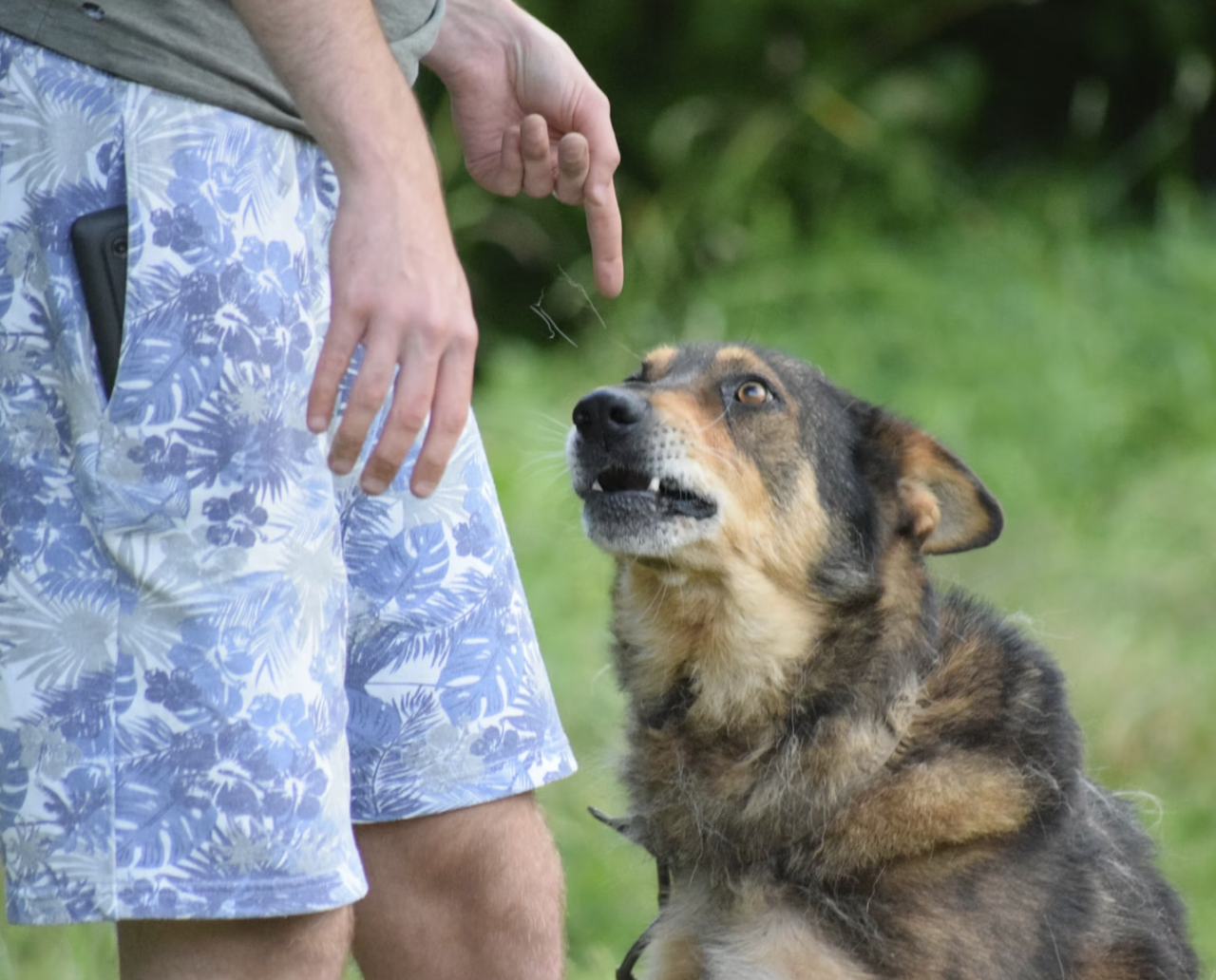
Photo by Laura Repsone
When to Seek Professional Help
Resource guarding exists on a spectrum. Mild cases—a slight stiffening, a hard look—can often be managed with some environmental adjustments and basic training principles that change the emotional response of the dog towards the approaching trigger. More serious cases, especially those involving growling, snapping, or biting, benefit significantly from working with a qualified professional. Please don't try to "fix" things yourself, especially as internet advice is such a big pool of self-named experts without any qualification (yes, even famous ones!)
A few signs it's time to get support:
- The behaviour is escalating in frequency or intensity
- You're feeling anxious or unsafe around your dog
- Children or vulnerable people are in the household
- Your dog's size could lead to significant injuries
- The guarding has appeared suddenly (this can sometimes indicate pain or discomfort, and a vet check is needed)
- You've tried addressing it on your own without success
The Path Forward
Resource guarding isn't a character flaw or a sign of a "bad" dog. It's a normal canine behaviour that, left unaddressed, can become problematic—but with patience, consistency, and the right guidance, dogs make meaningful progress.
The key principles remain the same across cases: work at an emotional intensity your dog can handle, change the underlying feeling rather than just visually correcting the behaviour (Tsk! Na-ha! Pin down!!!), and progress gradually.
If you're navigating resource guarding with your own dog and would like tailored support, I'd be happy to help. Every dog is different, and a personalised approach makes all the difference.
I offer a monthly webinar on Resource Guarding that you can find HERE or you are welcome to contact me for a One to One session both on Zoom or In Person. Prices for one to ones vary between London and Leigh on Sea so please make sure to click on Services HERE to find your preferred option.
Thanks for reading and Happy Training!